Creative practice
The pause is part of the song.
Two cuts of the same passage reveal what an artist needs to direct in a translation between media.
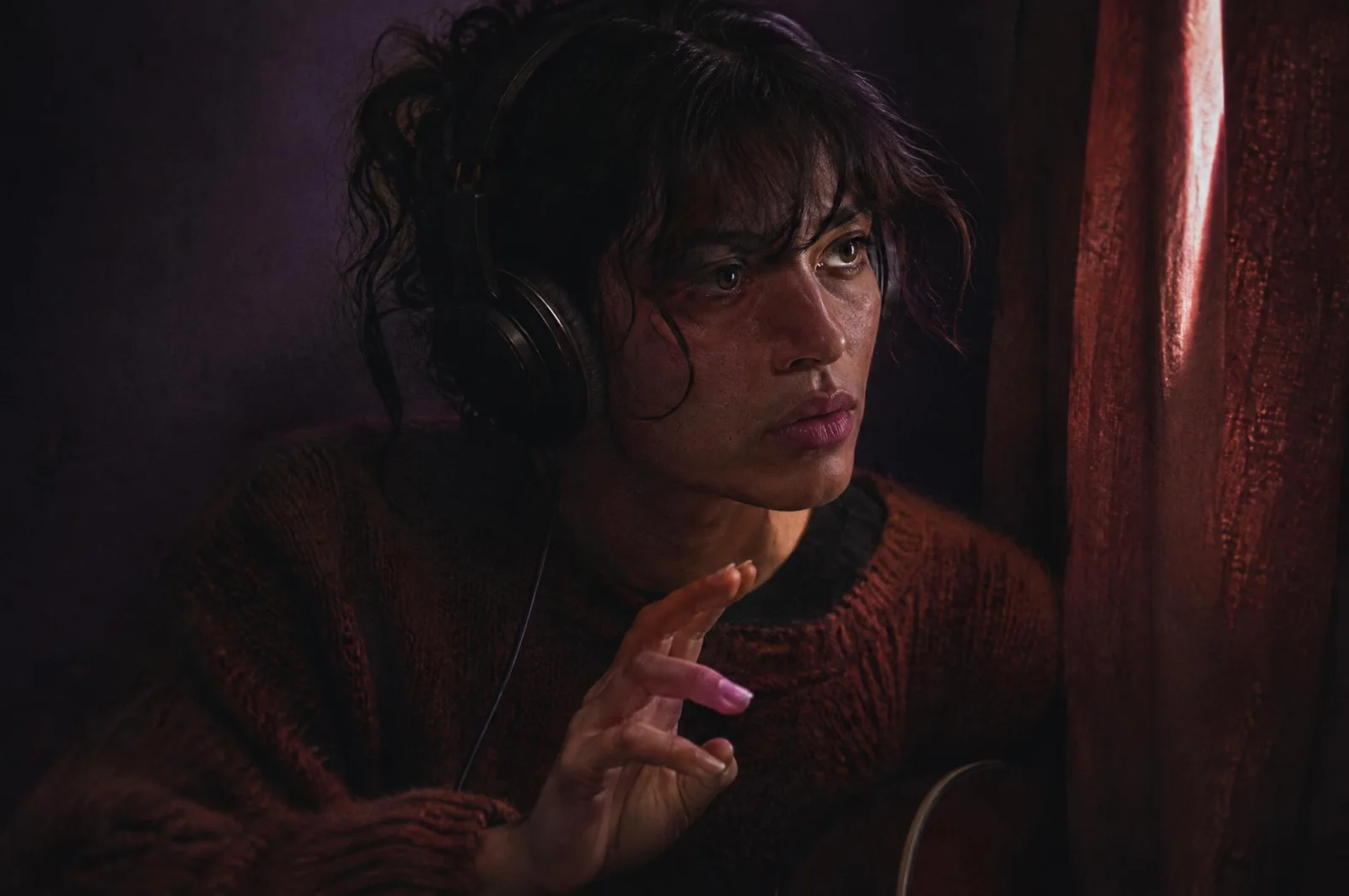
Listen to the empty beat
A piece of music drops into silence before the next phrase. One editor lets a figure wait in a wide shot through the pause. Another cuts close when the sound returns. The first makes the silence feel longer. The second uses the return of sound to sharpen a movement. Both can be coherent interpretations of the same source.
A tool could follow the loudest peaks and still miss the decision the artist wanted. The visible result only makes sense alongside what the artist wanted the pause to do.
Keep a meaningful choice open
Start with one rights-cleared passage and a simple request: make the pause felt. Offer two edits with the same subject and setting. Ask the artist to say what changed, choose what they would keep and try one revision. The comparison should show the difference clearly enough that the artist can direct it in ordinary language.
An unfamiliar edit can be a useful surprise. Leave room for the artist to discover what they like. Once they decide to preserve or change something, the tool needs a way to help them repeat that choice.
The useful proof is a revision
An attractive clip shows one result. For a stronger demonstration, preserve the source and record which instruction or edit changed the outcome. Ask the artist to move the cut while keeping the other decisions intact.
The two stills here illustrate possible compositions. Hearing the original passage and watching the complete edits would be necessary to judge their timing.